
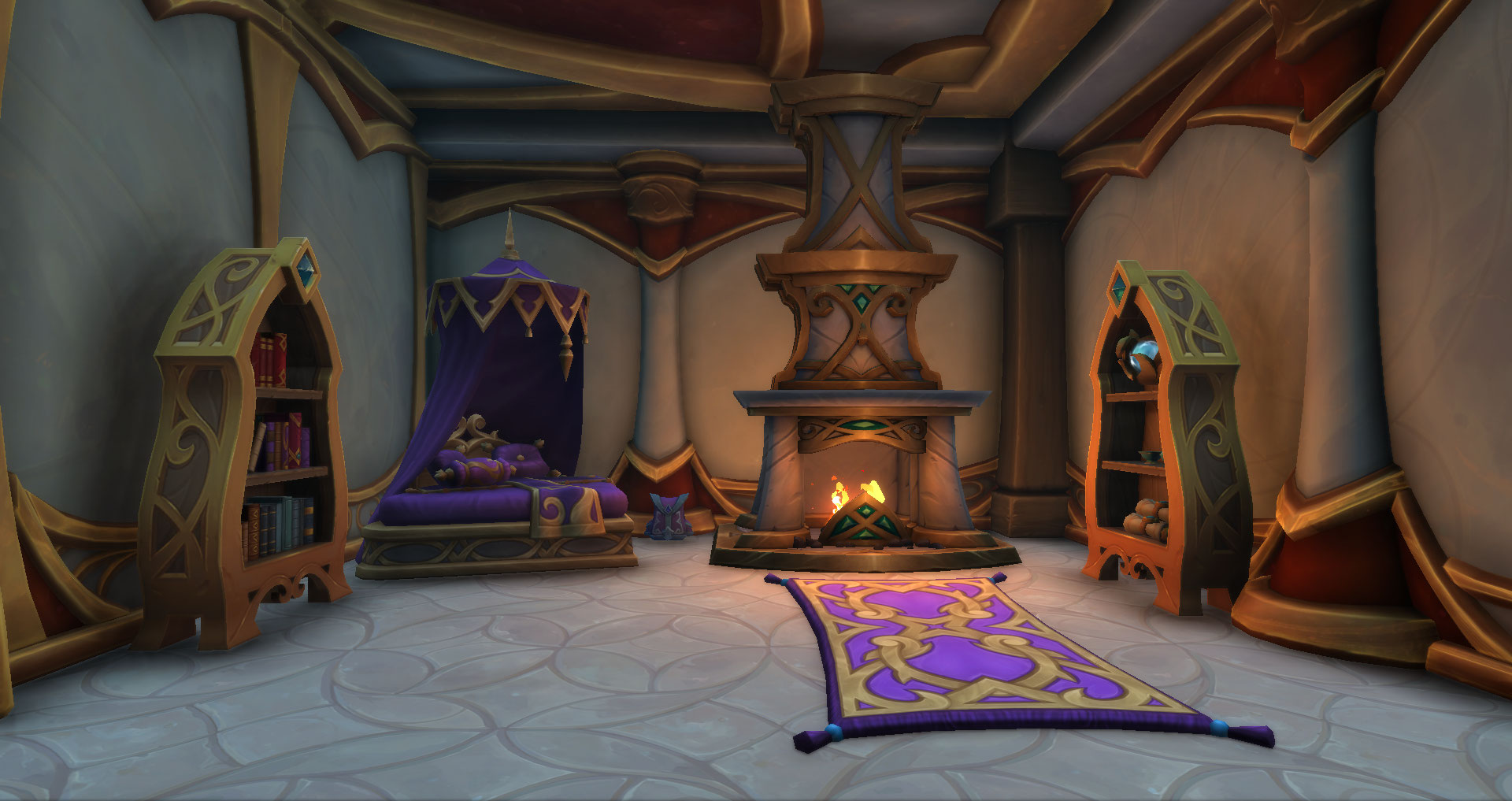
Player housing in World of Warcraft: Midnight has turned home decoration into a serious gold sink. What begins as a modest plot quickly grows into a project measured in thousands, and sometimes hundreds of thousands, of gold. The pressure is easy to underestimate, especially for players who want a polished result right away. Sustaining that investment without burning out requires a plan that covers income, spending, and the simple need to step away from the grind.
What Does a Furnished Home Really Cost?
Decor spending can start around 5,000 gold for a basic setup and climb past 200,000 gold for a fully decorated home.
The plot itself is only the entry point, with an approximate cost of 1,000 gold. The real expense arrives with the decor. A player aiming for a comfortable, well-furnished home should plan for something between 50,000 and 100,000 gold, while collectors chasing rare crafted pieces and multiple layouts may spend well beyond 200,000. The “One Copy Per Placement” rule pushes costs higher because a full arrangement often requires several copies of the same item. Demand for high-quality decor follows from that rule, and it is the reason a beautiful layout can consume a budget faster than expected.
- Begin with a modest budget instead of trying to furnish everything at once.
- Prioritize decor that is in demand so spending also supports future income.
- Use crafting professions that produce profitable housing items.
- Plan the layout before buying so duplicate purchases are intentional.
Which Professions Fit the Decor Economy?
Blacksmithing, Tailoring, and Alchemy are the strongest professions for earning gold in the housing market.
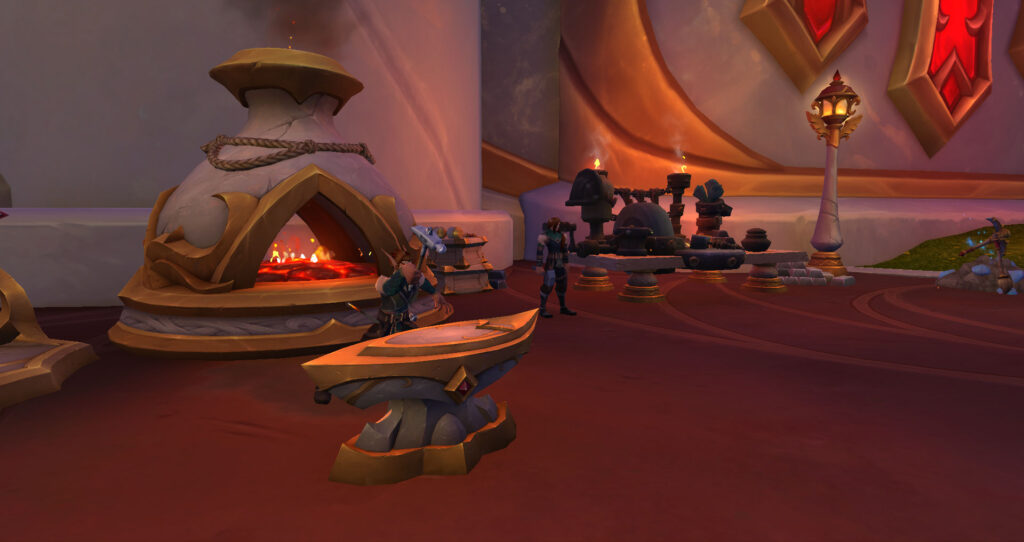
Each one serves a different part of the demand. Blacksmithing supplies lighting and structural pieces, which are central to many layouts. Tailoring covers luxury textiles and decorative elements that appeal to players furnishing interiors. Alchemy remains a dependable income source because potions and flasks stay in constant demand, giving crafters a market that is not limited to housing. Specializing in these professions lets a player produce items that others actively seek, which is more reliable than trying to craft a little of everything.
Which Items Are Worth Prioritizing?
High-demand decor items vary in cost, and the most profitable choices are not always the most expensive ones.
The table below lists representative examples and their estimated costs, which can help a crafter decide where to focus.
| Item | Profession | Estimated Cost (g) | Target Audience |
|---|---|---|---|
| Iron Chandelier | Blacksmithing | 1,500 | Everyday decorators |
| Luxury Carpet | Tailoring | 2,000 | Interior-focused players |
| Custom Blueprint | Inscription | 3,000 | Experienced decorators |
These examples show how the market stretches across professions and price points. A general decorator may buy a chandelier without much hesitation, while an advanced decorator is more likely to invest in a blueprint. Matching the item to the audience matters as much as matching it to the profession.
How Can Players Generate the Needed Gold?
Gathering professions and crafted goods form the base of a housing fund, with market awareness deciding how far that fund stretches.
Lumber is a key resource because high-end decor depends on it, and players who gather it consistently give themselves a steady supply for both crafting and sale. Alchemy remains profitable thanks to ongoing demand for consumables. The Auction House ties the two sides together: watching what sells and adjusting production accordingly prevents a crafter from filling bags with items nobody wants. Forming a Warband can also help by sharing resources and gathering more efficiently, which reduces the time spent funding the project.
Market trends change, so a crafting focus that worked last week may need adjustment. Players who check demand before committing materials tend to earn more and waste less.
How Should the Budget Be Managed?
Resource management starts with a steady supply of essential materials and a dedicated reserve for housing spending.
Gathering Lumber and herbs on a routine prevents the project from depending on emergency purchases. Setting aside a portion of gold specifically for decor also keeps housing from draining funds needed for repairs or consumables. That separation is simple, but it prevents the familiar situation where a decorating spree leaves a character unable to cover ordinary costs. A budget does not have to be rigid; it only has to be visible enough that spending remains a choice rather than a surprise.

How Can Players Avoid Burnout?
Clear goals, deliberate breaks, and a mix of activities keep housing from turning into an endless grind.
A budget helps here as well, because it defines when a project is finished for the moment. Diversifying play, whether through PvP or other content, provides relief from repeated farming. Collaborating with friends or guildmates can make resource gathering more enjoyable and less repetitive. The goal is to keep the project from consuming every session; a home that takes longer to complete but remains fun along the way is a better outcome than one built through exhaustion.
How Can the Layout Itself Save Money?
Strategic planning and the layout export and import feature make it possible to experiment without losing progress.
Saving configurations allows a player to try different arrangements and return to a working version if an idea fails. That reduces wasteful purchases caused by guesswork. Prioritizing high-impact items also stretches the decor budget, since a few strong pieces can shape a room more effectively than many minor ones. Efficiency is not only about spending less; it is about spending where the result is visible.
What Makes Housing Worth the Investment?
The return is creative and social rather than mechanical, since housing provides no gameplay bonuses.
A well-decorated home can become a gathering place for friends and guildmates, which gives the project value beyond appearance. The decor economy may also reward early investment if demand for rare items grows. Still, the strongest reason to build is the freedom to express a personal style. Keeping that purpose in view makes it easier to set a budget, walk away when needed, and enjoy the home once it is finished.


Leave a Reply