
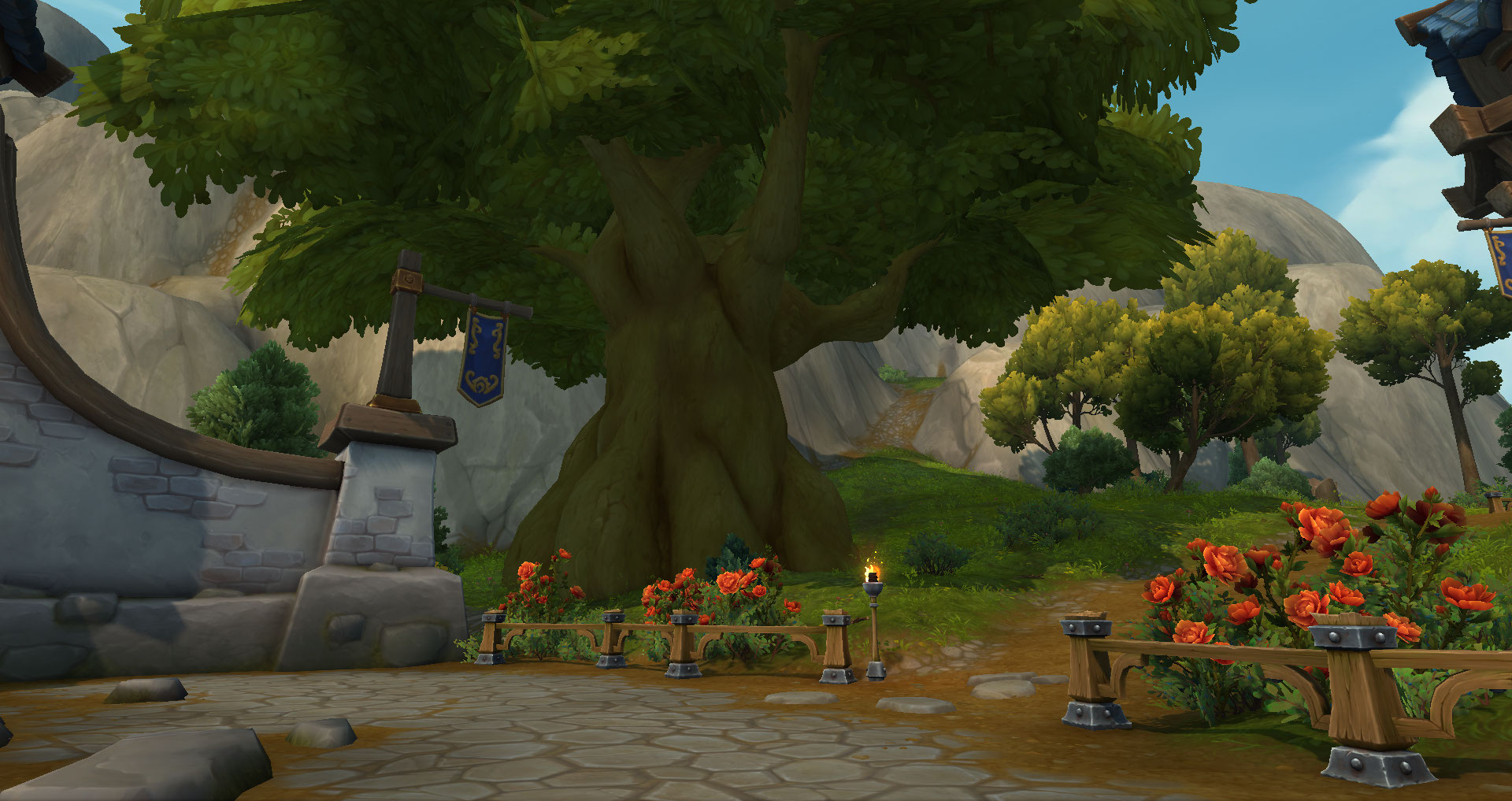
Player housing looks like pure decoration at first glance, yet a neighborhood behaves more like a tiny village economy. Plots can specialize, guildmates can pool what they gather, and group challenges reward people who plan together. Someone working alone rarely matches that output, because one pair of hands only reaches so far. What follows covers how plot synergy and steady communication outperform lone farming, and which habits help a guild turn a shared neighborhood into a genuine advantage.
What does a neighborhood actually give a guild?
A neighborhood offers a common ground for pooling materials, staying in touch and joining events together, something a lone farmer simply cannot reproduce.
Value does not live inside any one plot. It sits in the connections between plots and the people who tend them. A guild that runs its neighborhood as a shared base squeezes far more out of the same land than a guild where everybody guards a private corner. The table below sets the two approaches side by side.
| Benefit | Housing neighborhood | Solo gold farming | Why it matters |
|---|---|---|---|
| Resource sharing | Strong, since members can hand surplus to whoever needs it | Weak, because everything depends on one inventory | Pooled materials spare the group from hunting for the same items separately. |
| Community engagement | Strong, thanks to regular contact around shared plots | Weak, with few reasons to talk to anyone | Familiarity breeds trust, and trust makes planning easier. |
| Event participation | Strong, with the whole guild joining in | Variable, depending on who happens to be online | Group events add rewards on top of the everyday baseline. |
| Knowledge sharing | Strong, as tips and layouts circulate freely | Limited to personal trial and error | Good ideas spread quickly instead of being rediscovered by each member. |
| Resilience to bad weeks | Better, because the load spreads across many people | Fragile, since one setback hits the whole plan | A guild can absorb a slow stretch without abandoning its goals. |
None of this happens on its own, since silent plots are only a pretty map.
How do guild challenges turn plots into rewards?
Guild challenges hand a group clear objectives, and teamwork and planning pay off more dependably than going it alone.
A challenge gives everyone a reason to actually use the neighborhood together. Its goals call for coordination, so members swap information, divide the labor and lean on whatever each person does best. Rewards from this kind of shared effort tend to outweigh what the same players would collect separately, and the routines they develop carry over into other group content.
A learning effect builds up as well. Members who work through one challenge see how their guildmates think and react, which makes the following challenge smoother. That compounding improvement is almost impossible to reproduce in solo play.
Which plot-synergy habits matter most?
Give plots a purpose, speak openly about needs, and rework the layout whenever the guild’s goals shift.
Synergy is closer to a design puzzle than a grinding chore. Guilds that benefit most from their neighborhood tend to settle into a simple routine.
- Assign plots to crafting, gathering or social roles, which stops every plot from drifting toward the same default use.
- Ask members what they are short on and pass along surplus materials, because items stuck in private storage help nobody.
- Join neighborhood events as a group, so the rewards stack on top of the social benefit.
- Review the layout on a regular schedule, since a plan that fit last month may not suit the guild’s next priority.
A setup that made perfect sense at the start of a season can feel clumsy two months later. Thinking of the neighborhood as a living system keeps it useful.
Why does communication decide challenge outcomes?
Clear communication converts scattered individual effort into coordinated action, which is exactly what challenges measure.
Challenges favor groups that adapt quickly. Voice chat, forums and messaging apps can all do the job, provided members know where to look and feel comfortable speaking up. Leaders help by posting progress updates and asking for input rather than issuing instructions into a silent room.
The strongest guilds treat conversation as routine instead of something saved for emergencies. A brief check-in before a challenge clears up most of the confusion that otherwise causes trouble halfway through.
Where does solo farming fall short?
A solo farmer is capped by one person’s hours, one person’s access and one person’s knowledge.
Working alone, a player gathers only what they can reach and sells only what they can carry. If a resource turns scarce or a market moves, nobody else shares the burden or suggests another route. That isolation is the true cost, more than any hourly figure.
Neighborhoods do not erase those limits, but they spread them around. A guild covers more ground, tries more approaches and rides out a poor market week without wrecking its plans.
Collective memory counts too: one member learns what is scarce, another tests a layout, and the group keeps whatever works.
How can a guild plan its neighborhood roles?
Match each plot to the people who will use it most, and write the plan down where everyone can see it.
Roles work best when they follow member interests. A player who loves crafting suits a workshop plot, a keen gatherer fits a supply plot, and a talkative organizer makes a natural host for the social space. People stay engaged when their plot reflects what they already enjoy.
What comes next for housing and guild systems?
Expect deeper social integration, richer customization and challenges that respond to how groups really play.
Housing systems tend to drift toward identity, offering more ways for a plot to reflect its owner and its guild. Guild systems tend to drift toward coordination, adding reasons to plan together and rewards for doing it well. If both trends hold, the gap between coordinated neighborhoods and solo farmers is likely to widen rather than shrink.
The practical lesson is to build good habits now. A guild that already shares resources and talks clearly will be ready for whatever the next system introduces.
Frequently Asked Questions
Is a neighborhood worth it for a small guild?
Yes, because the benefits come from coordination rather than headcount. A handful of members who share materials and talk regularly can outperform a larger group that never interacts.
Do all plots need the same layout?
No, and matching layouts usually waste potential. Giving plots different jobs lets the neighborhood cover crafting, gathering and social needs at once.
How often should the layout be reviewed?
Whenever the guild’s goals change, and at a regular interval besides. A quick seasonal check is enough to catch plots that no longer serve a purpose.
What if members rarely talk?
Start with small, low-pressure habits such as progress posts and short check-ins. Once people see that sharing pays off, conversation tends to become routine.
Can solo players still benefit?
Absolutely, since a solo player can join a neighborhood and take part in its events. The gain simply grows as more members contribute.


Leave a Reply