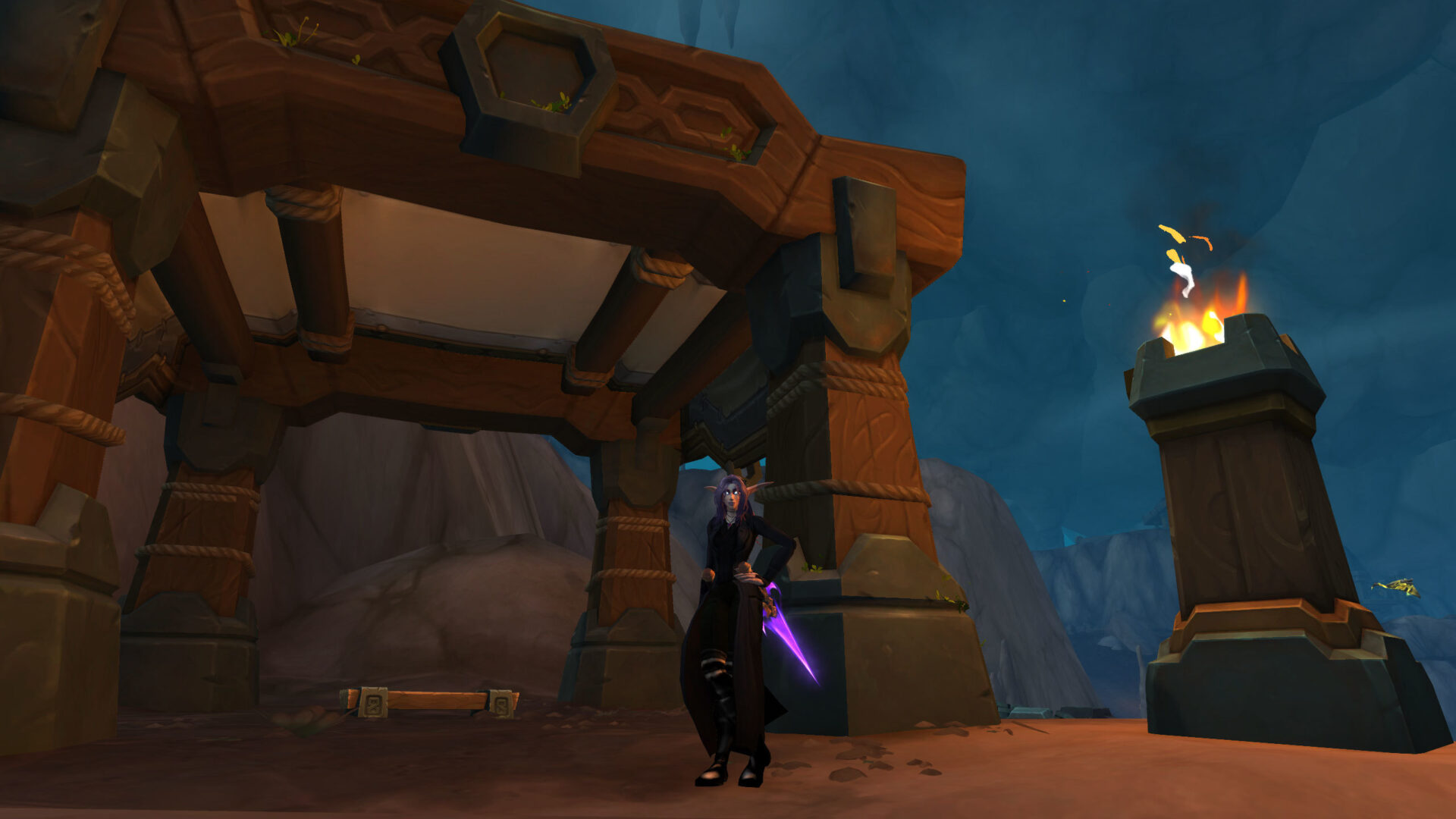
PvP Defensive Playstyles Gain Recognition as Win Conditions
PvP has reached a point where defensive playstyles are no longer seen as passive or secondary. Strong defense now functions as a proactive win condition, shaping tempo, forcing mistakes, and creating openings through denial rather than raw damage.
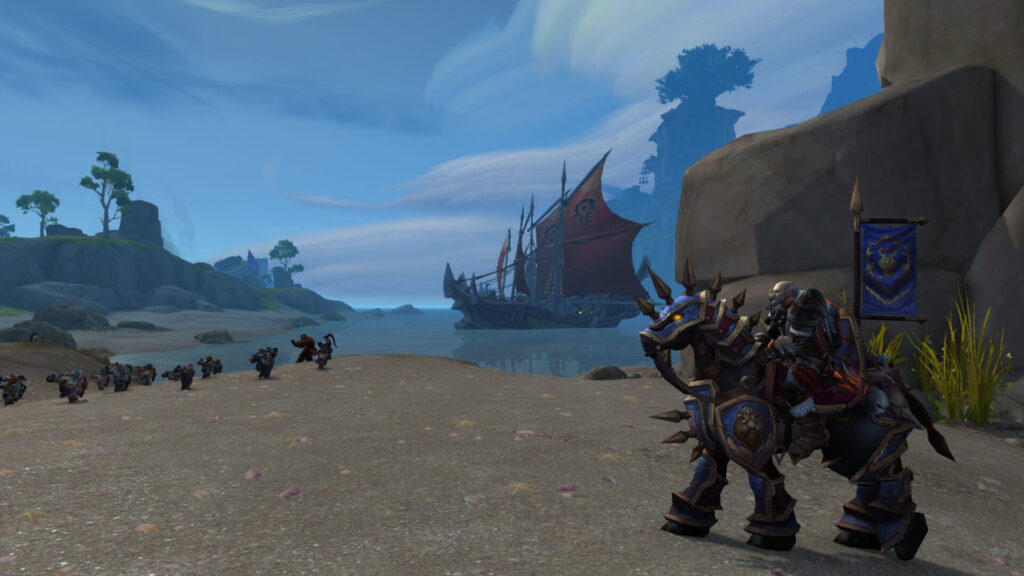
Survival Extends Matches on Favorable Terms
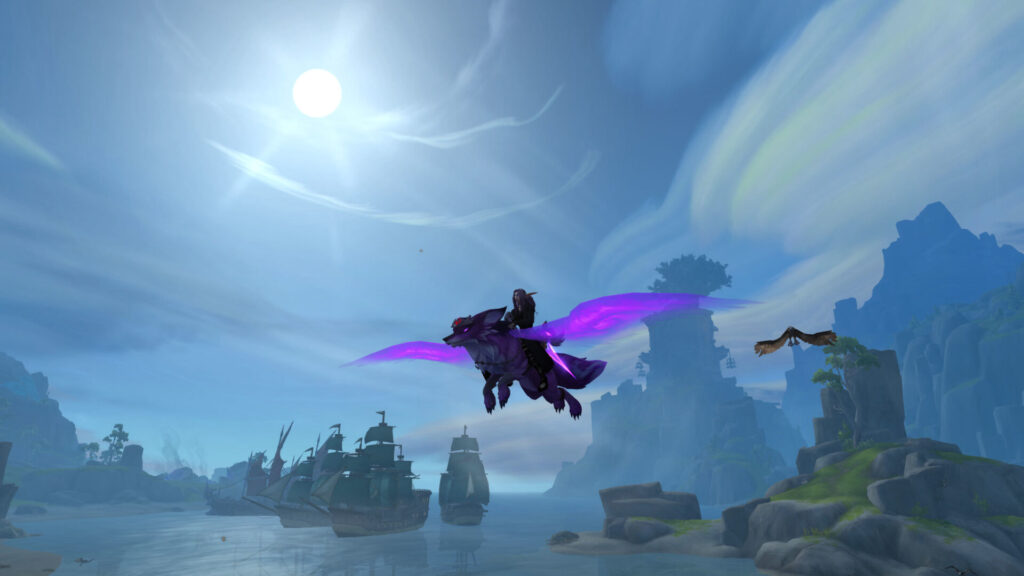
By surviving burst windows and stabilizing pressure, defensive teams drag matches into phases where opponents run out of resources. This endurance flips momentum, turning failed offensives into liabilities.
Cooldown Denial Creates Offensive Advantage
Trading defensives efficiently forces opponents to overcommit. Once enemy cooldowns are exhausted, defensive teams transition smoothly into counterpressure, often deciding matches without ever needing early aggression.
Positioning and Control Reinforce Defense
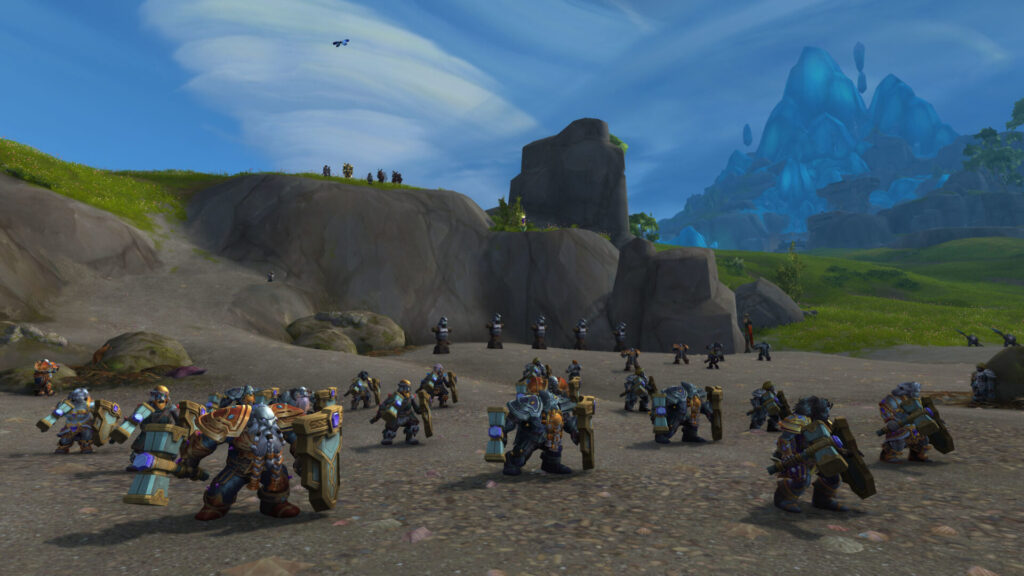
Strong defensive play relies on spacing, line-of-sight usage, and crowd control to limit enemy options. These tools reduce damage intake while quietly setting the stage for winning exchanges.
| Defensive Element | Primary Effect | Win Condition |
|---|---|---|
| Cooldown layering | Burst denial | Resource advantage |
| Line-of-sight play | Damage avoidance | Tempo control |
| Crowd control | Setup disruption | Forced mistakes |
| Attrition strategy | Extended fights | Late-game dominance |
Recognition Reflects Meta Maturity
As player skill rises, defensive mastery becomes more visible and respected. Wins earned through discipline and denial feel intentional rather than accidental, reinforcing defense as a legitimate path to victory.
Conclusion

PvP defensive playstyles have gained recognition as true win conditions. Through survival, denial, and controlled counterplay, defense now defines success just as clearly as aggression in high-level competition.